What a collection is worth
Sooner or later every collector asks the same question: what is all this worth, and what happens to it next. Here is the honest answer, including the parts that do not help us sell anything.
An artist bear is not an investment
Start with the thing nobody says out loud: do not buy artist bears for return. There is no exchange, no quoted price, and a sale takes months because the buyer has to be found one at a time.
What you also do not get is the collapse in value that mass-produced toys suffer. A factory bear loses value because another thousand exist. A one-off has nothing underneath it to push the price down.
What drives the secondary market
- The maker's name. The main multiplier. Work by an artist people follow sells for more at identical labour.
- Being the only one. A piece with no edition holds better than a numbered example from a run of three hundred.
- Condition. Sun-faded pile and rubbed embroidery cost more than people expect. Storing well is the same thing as keeping value.
- Completeness. A bear with its original wardrobe, companion and tag is worth noticeably more than the same bear without them. Throw nothing away.
- History. Who owned it, whether it was exhibited or published. For contemporary artist bears this counts for little yet — it will count for more.
Why early work is hunted years later
A maker starts with modest prices because they need their first owners. A few years on, if they have been noticed, comparable work costs several times as much — and the early pieces are few and already placed. Those are the ones collectors chase.
Hence the rule collectors repeat to each other: buy early. Not for profit, but so that you get the piece at all.
Where collections change hands
- Directly to other collectors. The best price and the slowest route. It runs on communities where people know you.
- Specialist artist-bear marketplaces. The audience already knows why the piece costs what it costs.
- Fairs. The buyer can hold the work. For expensive pieces this is still the most persuasive setting there is.
- General marketplaces. Fast, but the price drops: artist work sits beside mass-made crafts and not everyone sees the difference.
- Auction. Makes sense for old and rare bears, rarely for contemporary artist work.
If a collection is being passed on
The most common outcome is not a sale but an inheritance, and one simple thing helps: a list. Who made it, when, what came with it, what it cost. Without one, heirs see "old toys" and price them accordingly.
A spreadsheet or a folder of photographs and tags is enough. An hour spent now preserves both the money and the point of what was collected.
We do not buy pieces back
To avoid any misunderstanding: we do not buy bears, our own or anyone else's. This page exists because the question gets asked and there is almost no straight answer online — not because we are making an offer.
If you own a piece by Antonina and have decided to part with it, write to us. We will point you to the right place to show it, and pass your name on if someone asks for exactly that bear.
What this looks like in practice
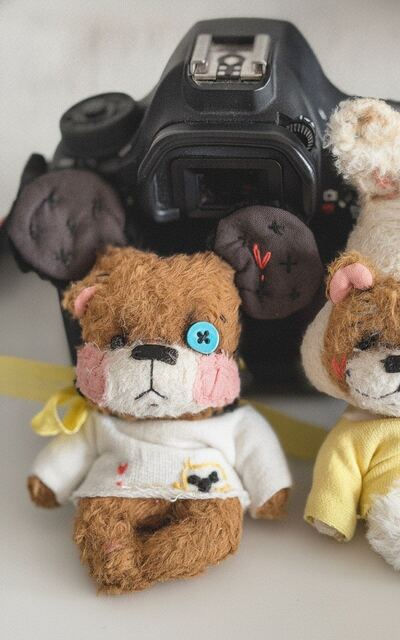
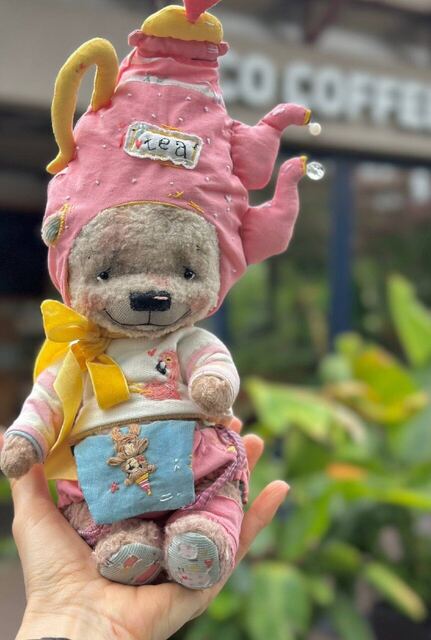
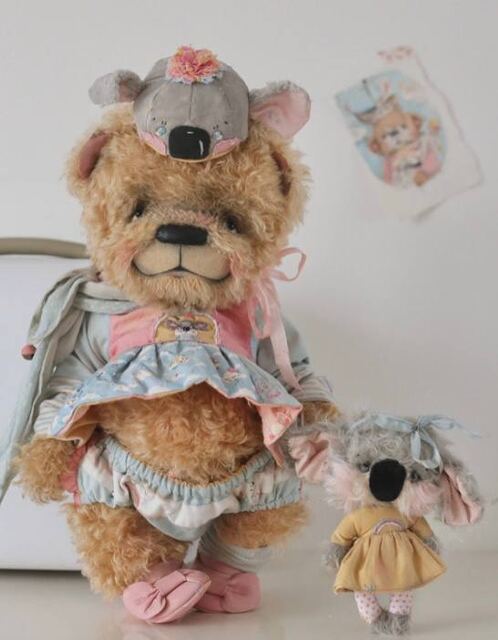
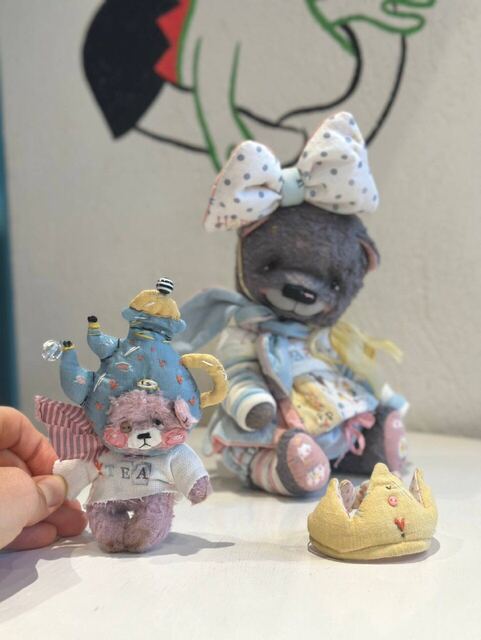
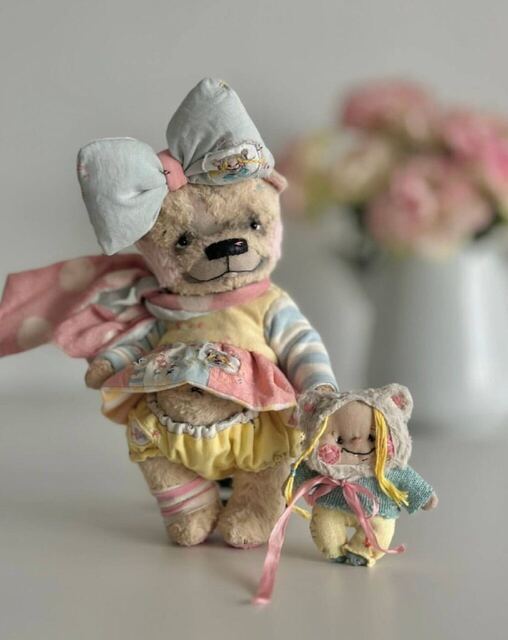
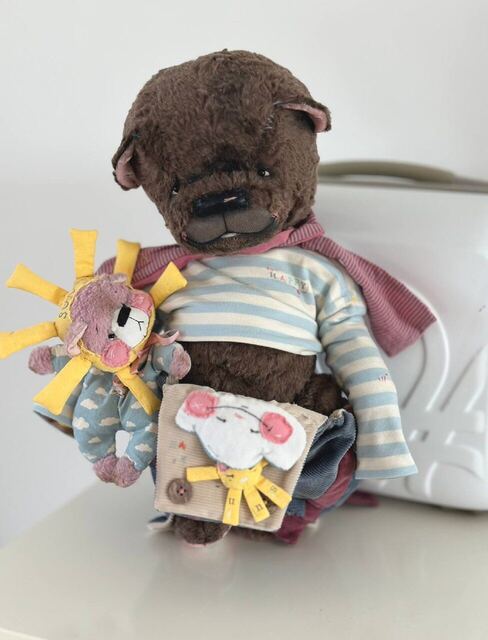
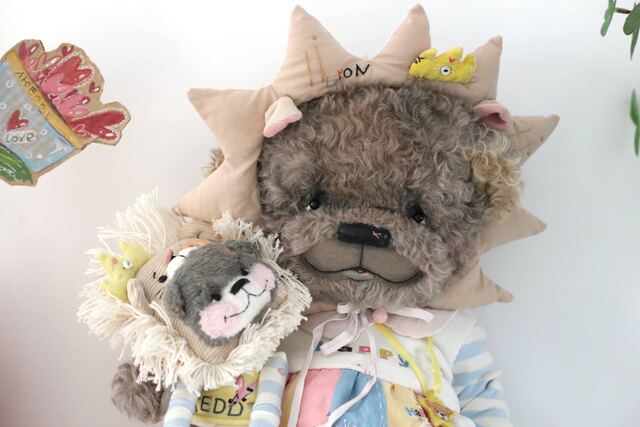
Every piece exists once, so there are never many available at a time. The bears that have found homes are kept here on purpose: they show what the work is like and what will appear next.